Namibia: Desert Landscapes and Waterhole Safaris
Etosha’s waterholes, red dunes and wide-open roads.
Get a Free Safari QuoteNamibia: Desert Landscapes and Waterhole Safaris
Namibia offers a safari of wide horizons. Its great wildlife park, Etosha, is built around a huge white salt pan, and in the dry season animals line up at waterholes in a steady procession. Add the red dunes of Sossusvlei, the rock art of Damaraland and the fog-bound Skeleton Coast, and you have a trip that is as much about landscapes as animals.
Etosha National Park
Etosha’s roads lead from waterhole to waterhole, so one of the best strategies is simply to park and wait. Elephants, lions, giraffes, zebras, springbok and oryx come to drink, and the rest camps have floodlit waterholes where black rhino often appear after dark. Lodges and campsites inside and just outside the park suit both self-drivers and guided trips.
Sossusvlei, Damaraland and the Coast
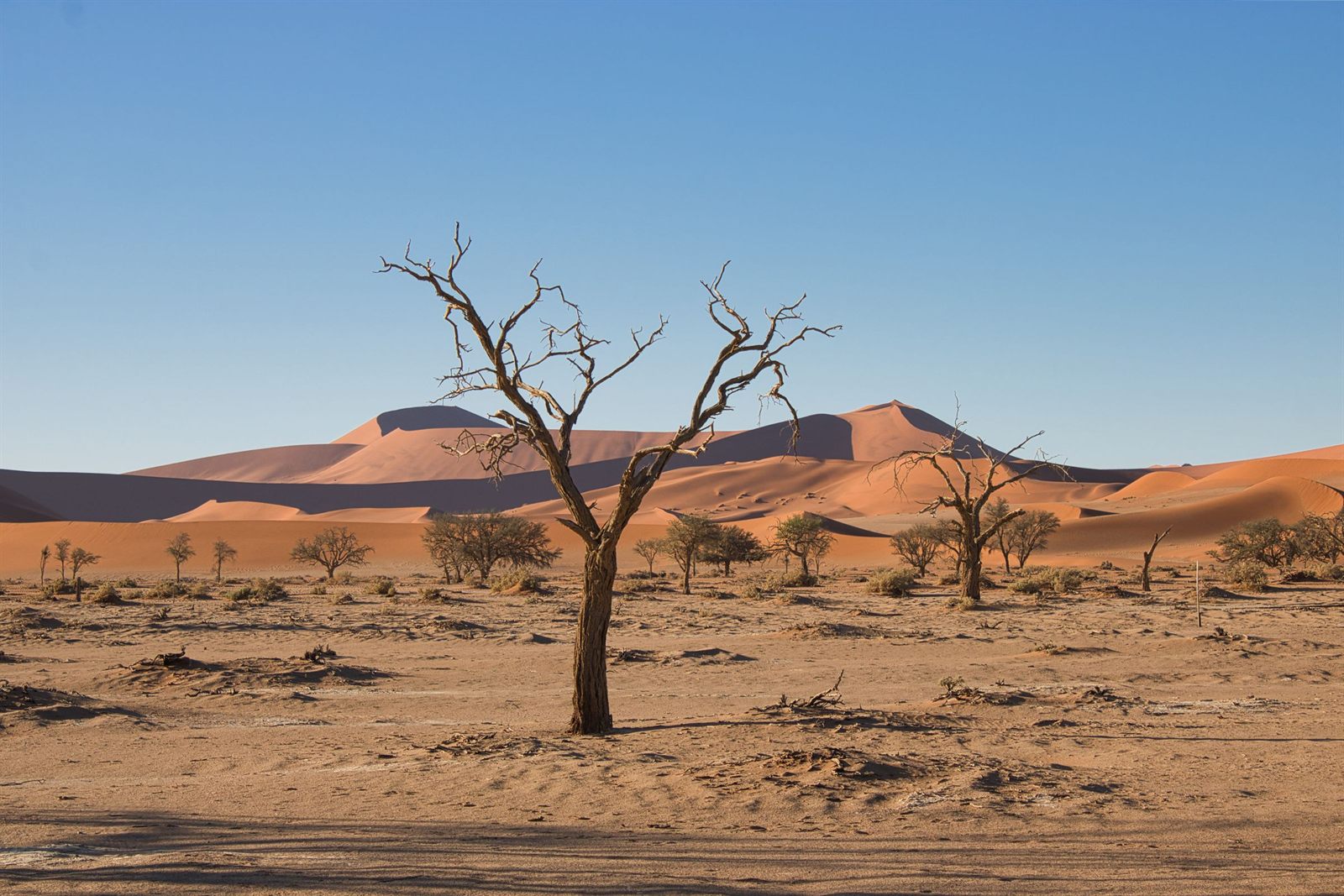
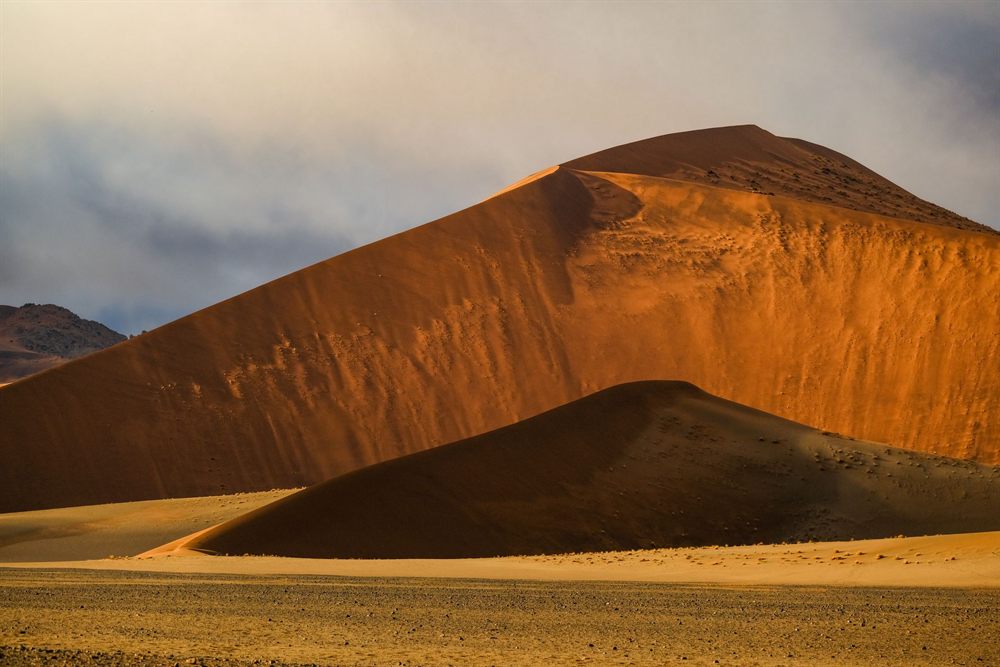
In the Namib-Naukluft National Park, the dunes around Sossusvlei glow red at sunrise, and the clay pan of Deadvlei is dotted with dead camelthorn trees hundreds of years old. Further north, Damaraland is home to ancient rock engravings and to desert-adapted elephants that roam dry riverbeds. On the coast, Swakopmund is a base for adventure activities, and seal colonies line the shore.
The Namibia Tourism Board publishes official visitor information. Namibia combines well with Botswana via the Caprivi Strip and with Victoria Falls.
Who Namibia Suits
- Independent travelers comfortable driving long gravel distances.
- Photographers drawn to light, color and space.
- Repeat safari-goers who have done East Africa and want something different.
- Travelers who prefer a dry climate; much of the country sees little rain.
Namibia also suits travelers who like variety in one trip. A typical two-week loop might start in Windhoek, head south to the dunes, turn north along the coast to Swakopmund, cross Damaraland and finish with three or four nights around Etosha. Fly-in safaris cover the same ground in a fraction of the time, using light aircraft between lodges, and some travelers mix the two by driving one half and flying the other. Guided small-group trips are a good middle ground for first-timers who would rather not navigate gravel roads.
Entry rules for U.S. citizens changed in 2025, and Namibia now requires a visa. The details and the official links are on Plan It Africa’s visa page.
Frequently Asked Questions
Is Namibia good for a self-drive safari?
Yes. Namibia is one of the most popular self-drive safari countries, with long gravel roads, campsites and lodges. Distances are large, fuel stops are far apart and driving on gravel takes care, so plan conservative daily distances and rent a suitable vehicle.
When is the best time for Etosha?
The dry months, roughly June to October, when animals gather at waterholes and the bush thins out. The green season is beautiful and good for birds, but animals spread out.
Plan a Namibia Safari
Self-drive, guided or fly-in: a safari specialist can map out Etosha, Sossusvlei and the coast. Free quotes.
Get a Free Safari Quote