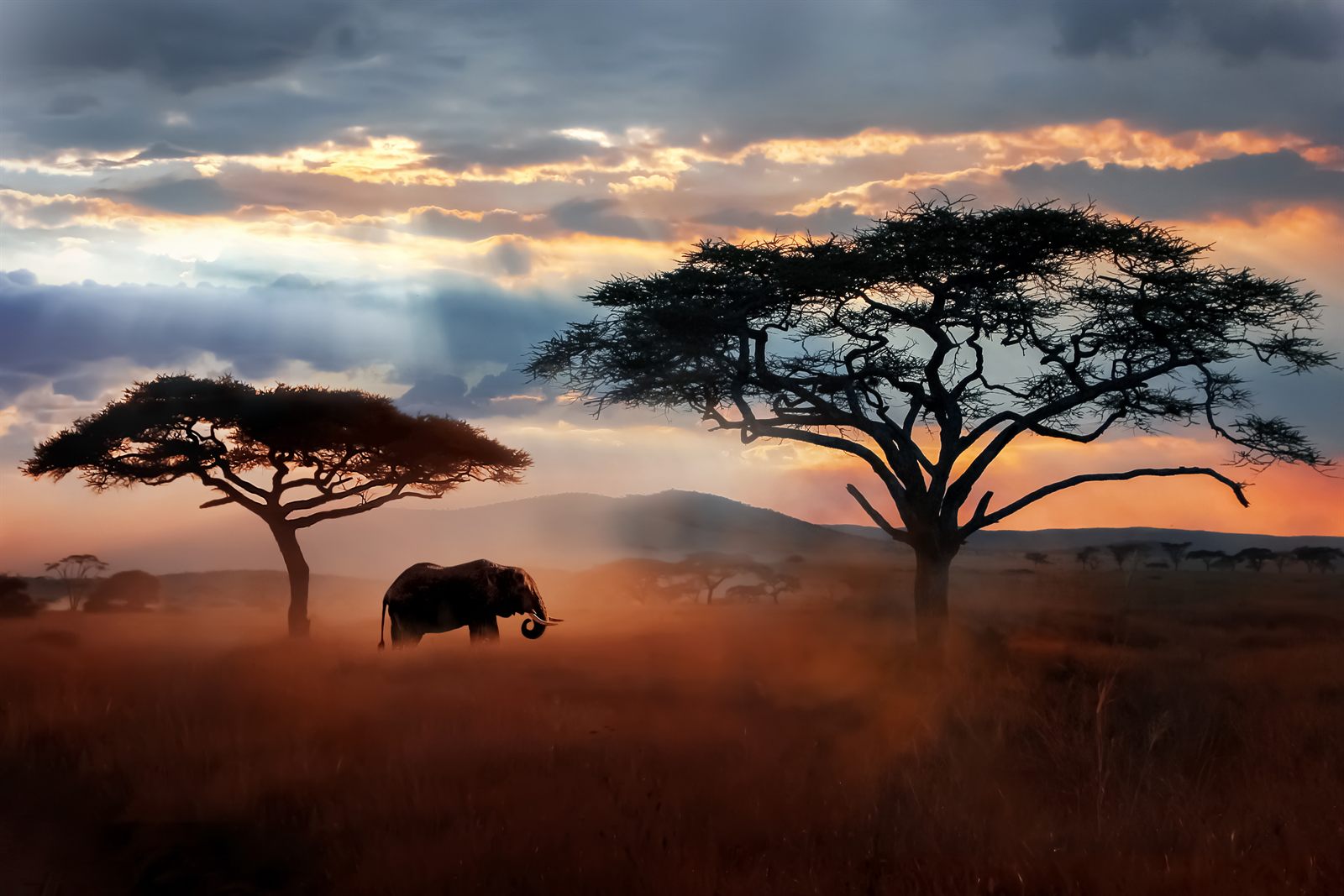
Your African Safari, Country by Country
Where to go, which style suits you and when to travel, explained by people who plan safaris.
Get a Free Safari QuoteYour African Safari, Matched to the Right Country and Style
An African safari is not one trip but dozens of very different ones. A morning watching the wildebeest migration from a vehicle in Kenya feels nothing like gliding through papyrus channels in a dugout canoe in Botswana, tracking mountain gorillas on foot in Rwanda or driving yourself between desert waterholes in Namibia. African Safari Experiences explains those differences country by country and style by style, so you can choose the safari that fits the way you want to travel.
We focus on the safari itself. For the practical side of the trip — visas, vaccinations and malaria, flights from the United States, budgeting, safety and packing — see our sister site Plan It Africa. For tours that add Egypt, Morocco or Cape Town to a safari, see Africa Tour Specialists. For river safaris on the Chobe and the Zambezi, see Africa River Cruising.
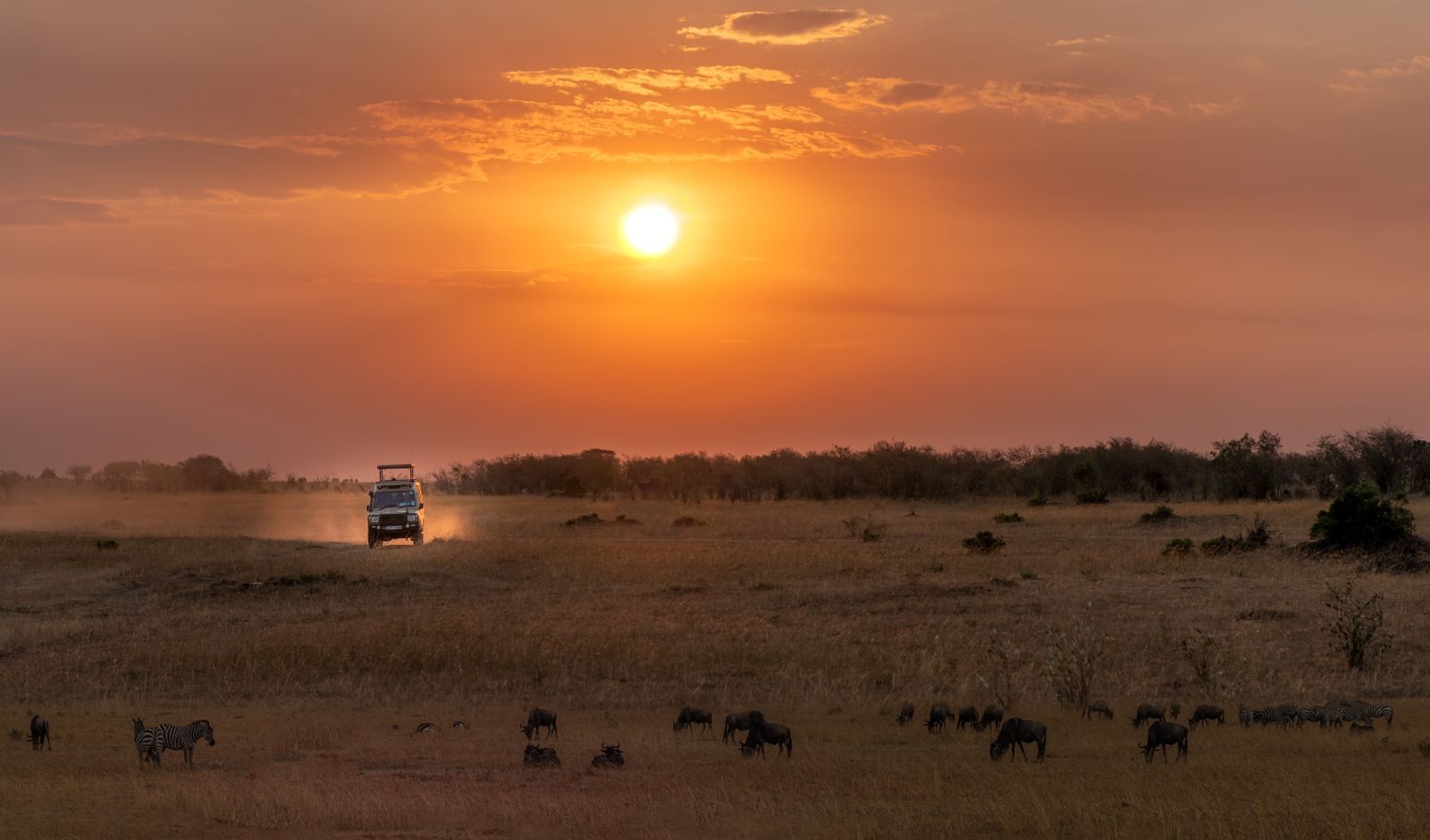
Kenya and Tanzania
The Masai Mara and the Serengeti: open plains, big cats and the Great Migration.
East Africa safari →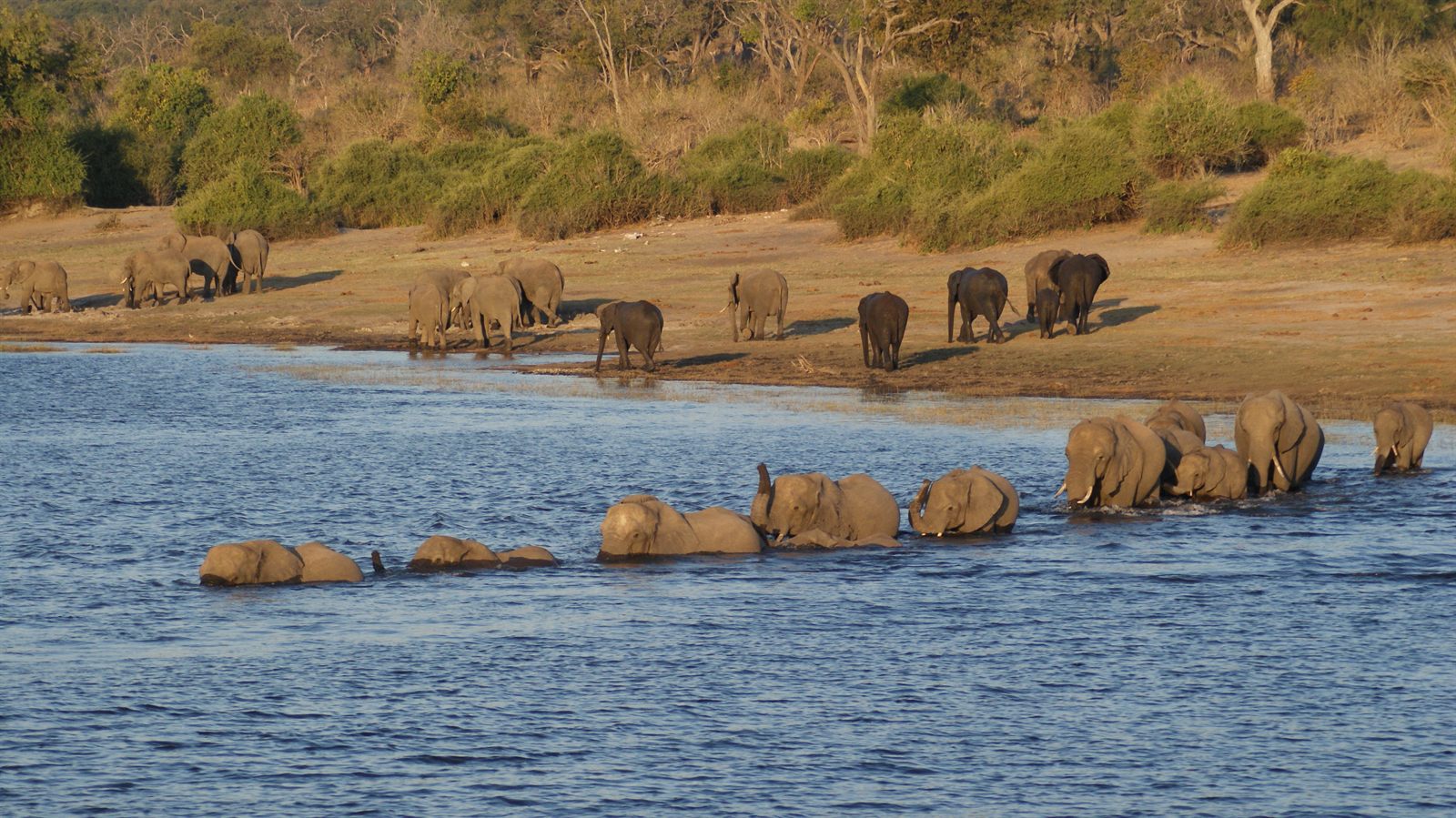
Botswana
The Okavango Delta and Chobe: water safaris, mokoro canoes and small, remote camps.
Botswana safari →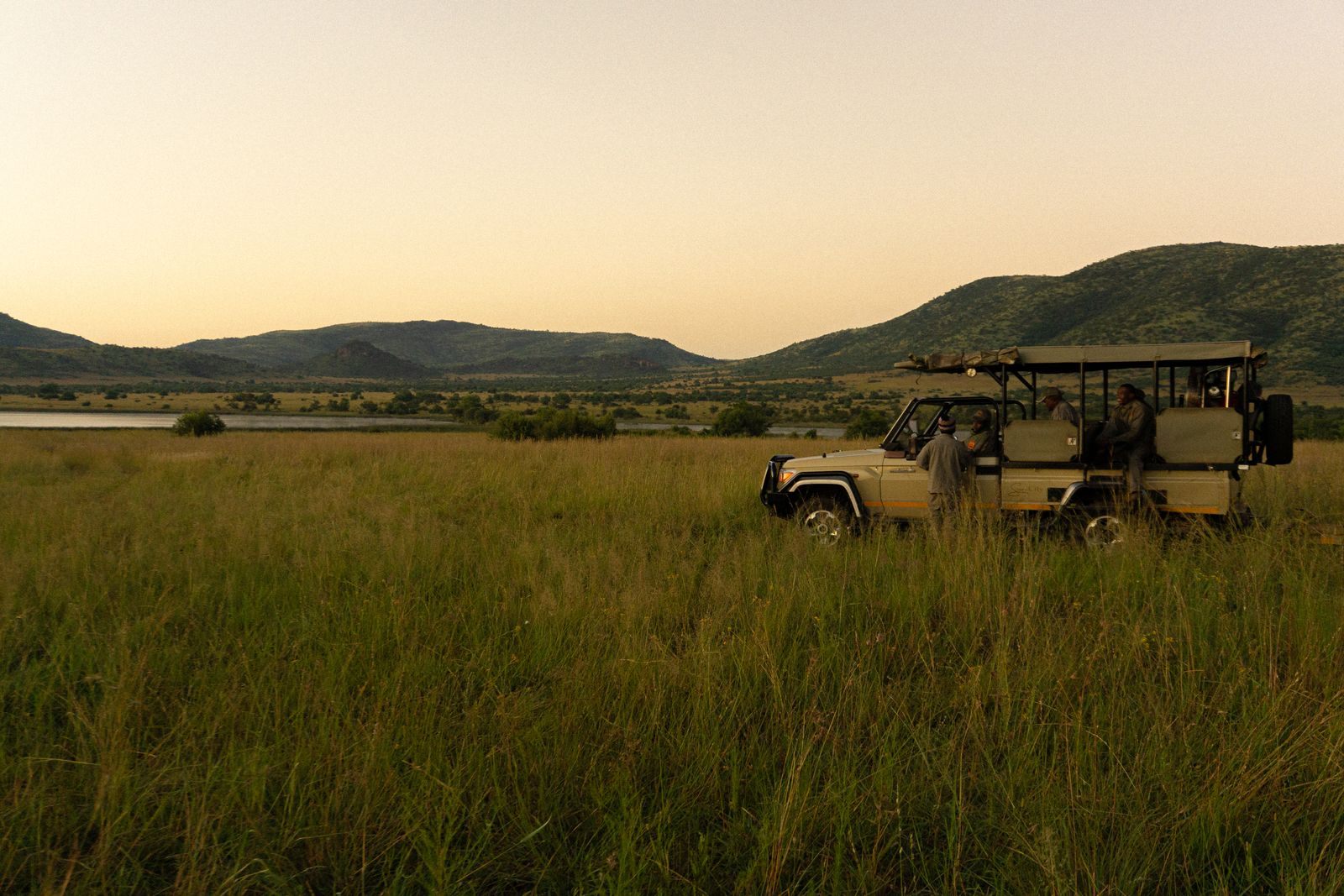
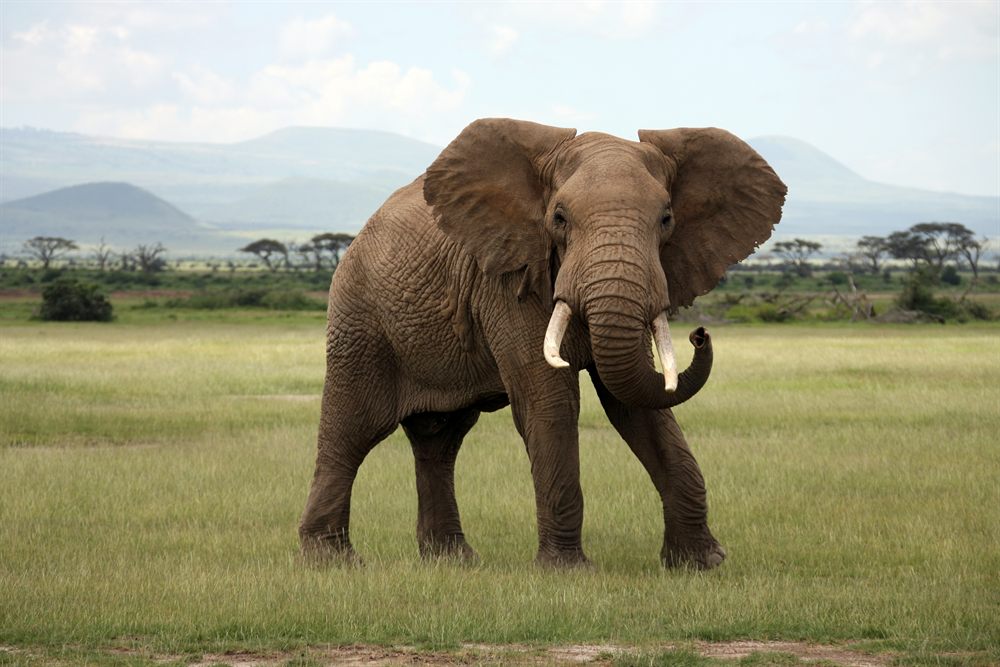
South Africa and the Big 5
Kruger and its private reserves: excellent Big 5 sightings, easy to combine with Cape Town.
Big 5 safaris →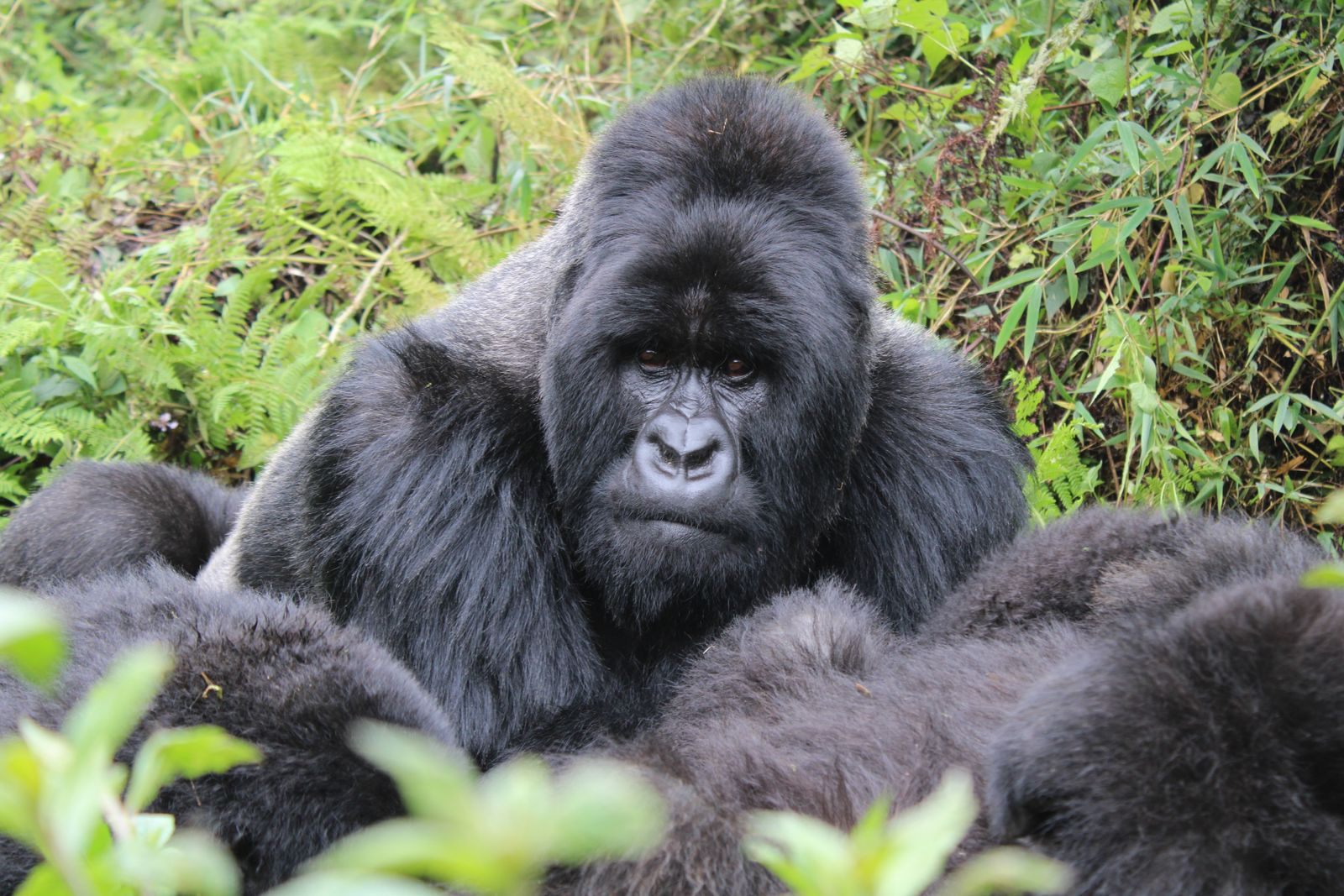
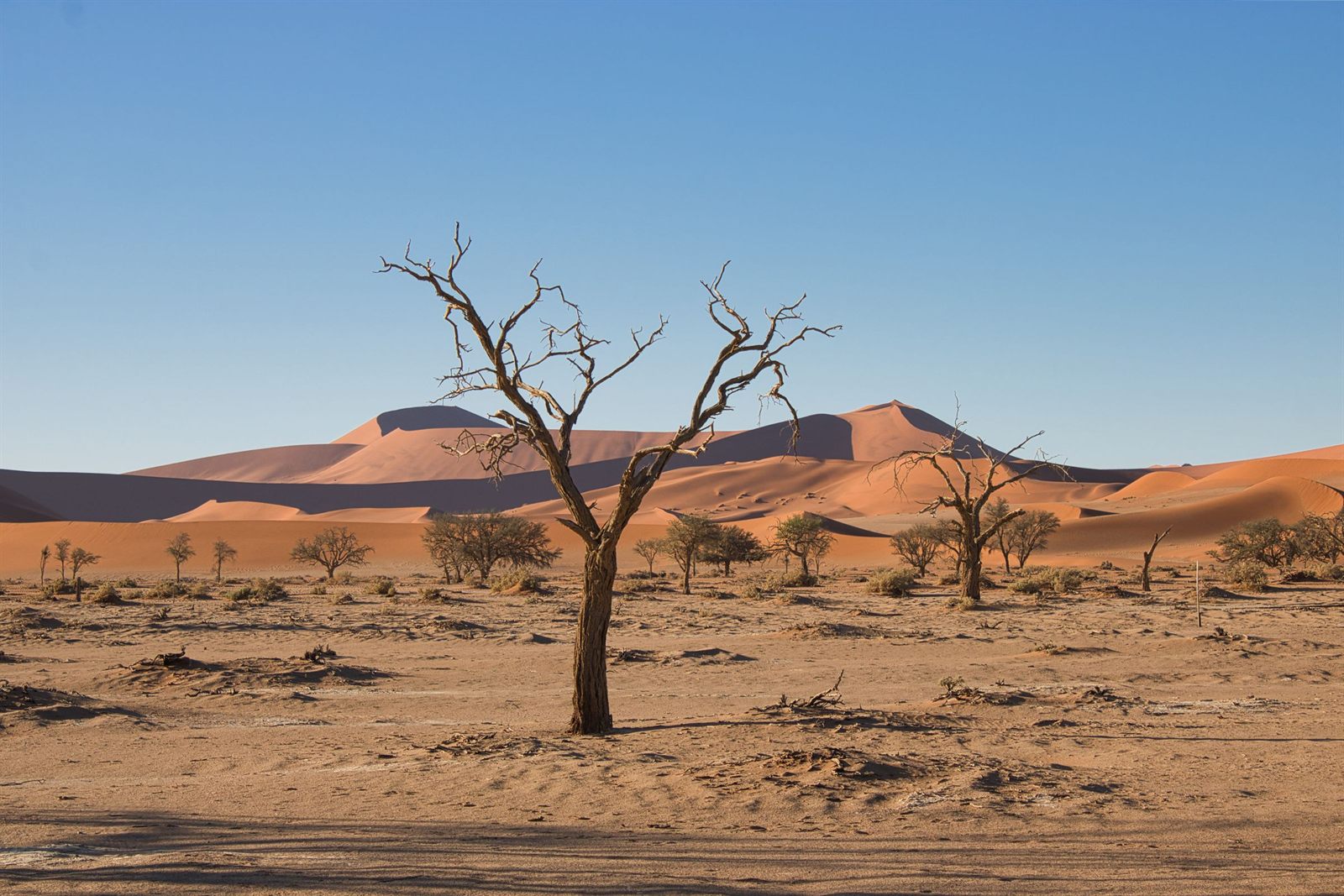
Namibia
Etosha’s waterholes, the red dunes of Sossusvlei and wide-open self-drive routes.
Namibia safari →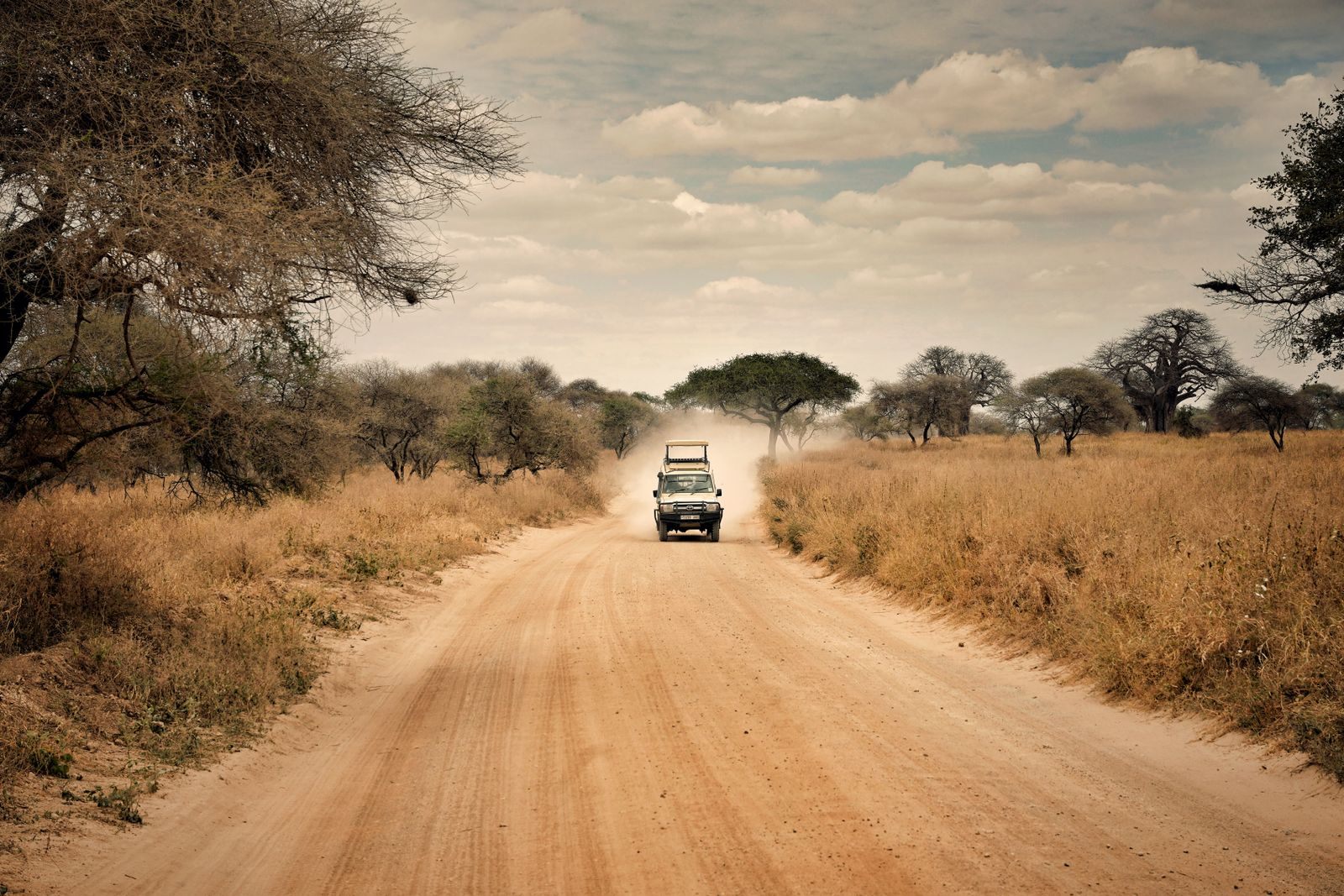
Safari styles
Lodge, tented camp, mobile, walking, fly-in, self-drive and boat safaris compared.
Choose a style →Safari in Africa: Five Questions to Answer First
Before comparing camps, settle five things. They narrow the choice faster than any brochure.
- What do you most want to see? The migration, big cats, gorillas, elephants by the hundred, desert landscapes or birdlife each point to different places.
- When can you travel? Seasons decide a great deal. Our African safari 2027 month-by-month guide shows where each month shines.
- How do you like to travel? Guided in a vehicle, on foot, by canoe, or driving yourself.
- How much comfort do you need? From simple bush camps to lodges with plunge pools.
- What else is on your list? Victoria Falls, Cape Town, Zanzibar or a gorilla trek can shape the route.
The African Safari Experience, Day by Day
A typical day on safari follows the animals’ rhythm. Wake-up calls come before dawn, because the first hours of light are when predators are most active. Morning game drives or walks last three to four hours, often with coffee in the bush. Midday is for resting at camp while the animals shelter from the heat. In the late afternoon you head out again, stopping for a drink at sunset, and in some private reserves and conservancies you return after dark with a spotlight to look for nocturnal animals. Dinners are often shared around a fire, and the sounds of the night are part of the African safari experience.
Guides make or break a safari. The best ones read tracks, know individual animals and explain behavior, not just point at it. When you request a quote, tell us what matters to you and we will match you with the right camps and guides. You can request a free African safari quote here, compare flights on Airfares for Less, and read about evacuation and medical cover on Cruise & Travel Insurance.
Frequently Asked Questions
Which country is best for a first African safari?
Kenya and Tanzania are the classic first safari, with big open plains and huge herds. South Africa is the easiest to combine with cities, wine country and self-driving. Botswana suits travelers who want small camps and water-based safaris. There is no single best; it depends on what you most want to see and how you like to travel.
How many days do I need for a safari in Africa?
Most people plan at least four to five nights in the bush, often split between two areas, so they see different landscapes and do not lose a whole trip to one rainy spell. Adding a gorilla trek, Victoria Falls or a beach makes a two-week trip common.
Is an African safari suitable for children?
Often yes, but rules vary. Many camps set minimum ages for game drives, walking safaris and canoe trips, and gorilla trekking in Rwanda requires visitors to be at least 15. Family-friendly lodges and private vehicles make it easier.
More From Our Travel Network
About African Safari Experiences
This site is part of the Smart Traveler network, led by Mister Cruise. He has sold travel since 1972 and worked full-time in the industry since 1977. He has sold or originated more than $500 million in cruises and has trained more than 500 travel agents.
When you ask for a trip quote through the Official Travel Directory, a travel specialist plans it with you personally — not a call center. Meet Mister Cruise →
Tell Us About Your Dream Safari
Which animals, which countries, what time of year? A safari specialist will design it with you. Free, no-obligation quotes.
Get a Free Safari Quote