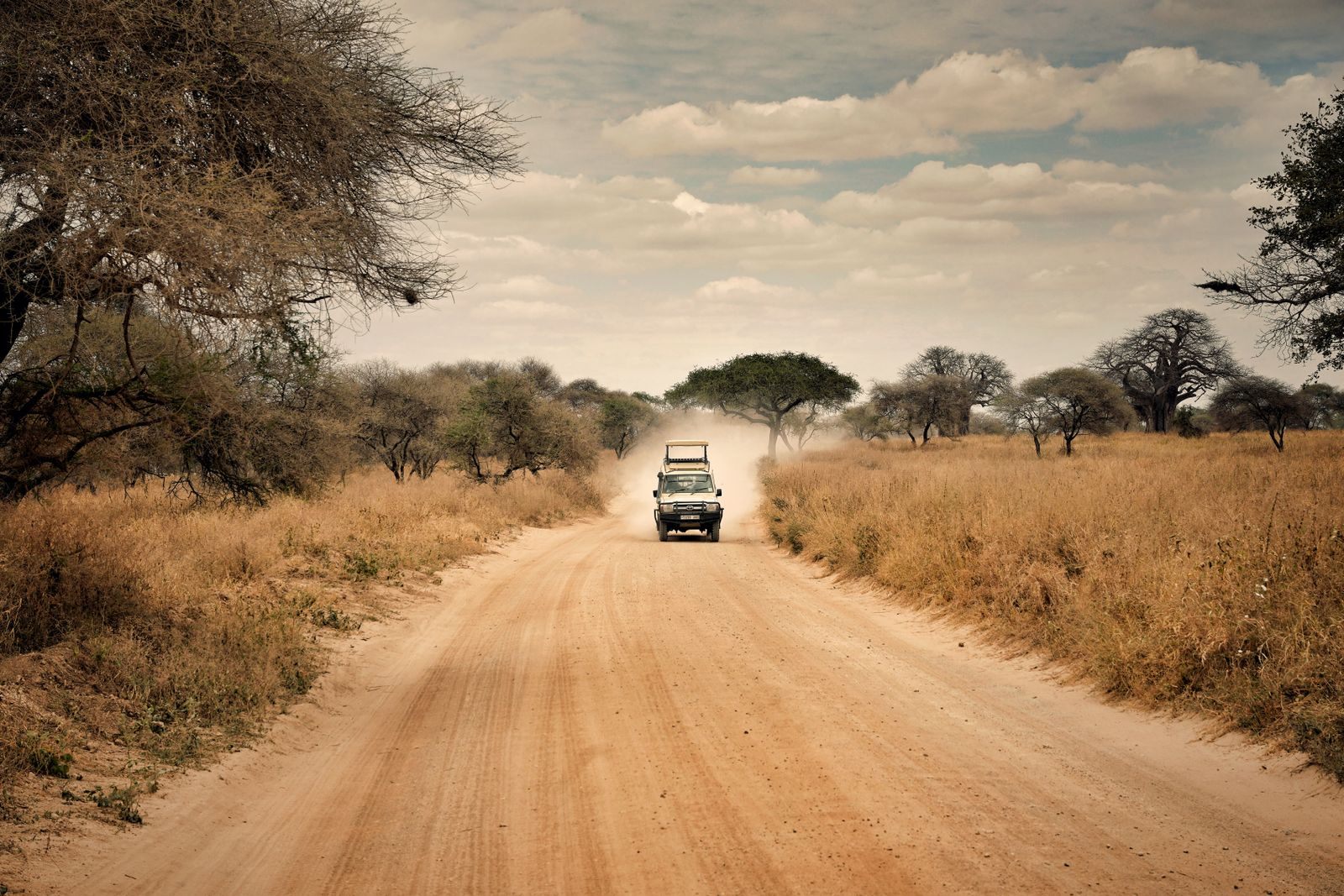
Choosing Your African Safari Experience
Lodge or tent, vehicle or canoe, guided or self-drive: the styles compared.
Get a Free Safari QuoteChoosing Your African Safari Experience
The country you choose sets the scenery, but the style of safari shapes every hour of your day. The same park can feel completely different from a large lodge, a small tented camp, a canoe or your own rental car. Here are the main kinds of African safari experience and who each one suits.
| Style | What it is | Best for |
|---|---|---|
| Lodge safari | Permanent lodge with guided morning and afternoon drives | First-timers, families, comfort |
| Tented camp | Canvas tents with real beds and bathrooms, often small and remote | Feeling close to nature without roughing it |
| Mobile tented safari | Camps that move with the seasons, such as following the migration in Tanzania | Being where the action is |
| Walking safari | Guided walks on foot, from a morning to several days | Repeat visitors, keen naturalists |
| Fly-in safari | Light aircraft between remote airstrips and camps | Covering ground fast; Botswana and remote Tanzania |
| Self-drive | Your own rental vehicle, staying in rest camps or lodges | Independent travelers in Kruger and Namibia |
| Water safari | Mokoro canoe, motorboat or river cruise | The Okavango, Chobe and Zambezi |
| Gorilla and chimp treks | On foot through forest with rangers | Rwanda and Uganda |
Shared or Private Vehicle?
On a lodge or camp safari you usually share a vehicle with other guests. In many private reserves and conservancies the number of guests per vehicle is limited, and you can pay extra for a private vehicle. A private vehicle makes sense for photographers, families with young children and anyone who wants to stay at one sighting for hours.
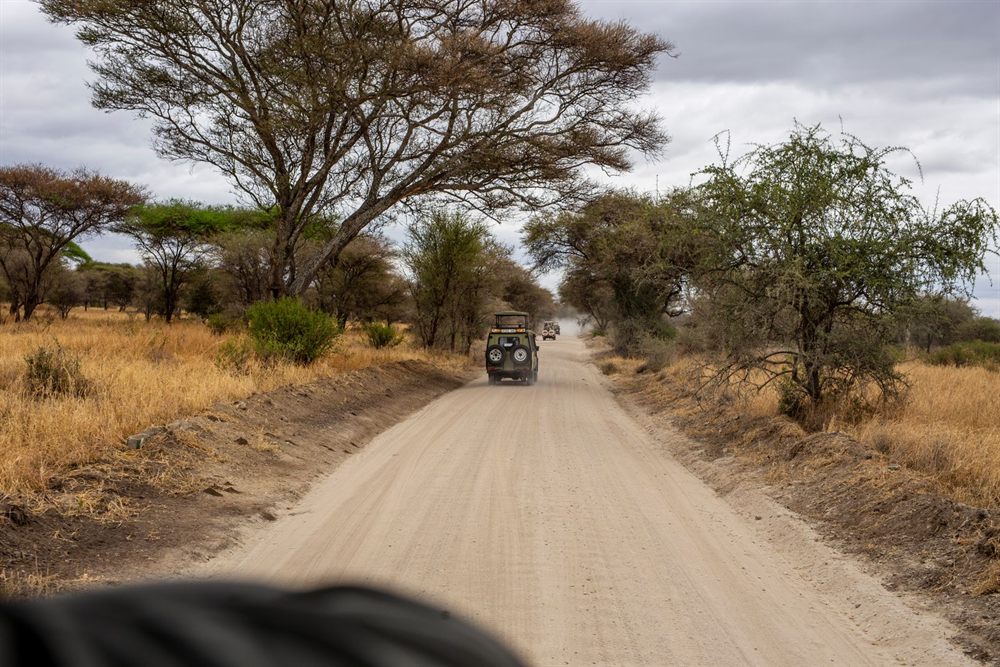
On a self-drive safari you control the timing but miss the knowledge of a guide; many self-drivers book guided drives at rest camps. In national parks you must stay on roads; off-road tracking is generally allowed only in private reserves and some conservancies.
Special-Interest Safaris
- Photographic safaris: specially adapted vehicles, fewer guests and guides who understand light and angles.
- Balloon safaris: dawn flights over the Masai Mara and the Serengeti.
- Horseback safaris: offered in parts of Botswana, Kenya and South Africa for experienced riders.
- Family safaris: lodges with children’s programs and private vehicles.
- River and lake safaris: boats on the Chobe and the Zambezi; see Africa River Cruising. For ocean cruises around Africa’s coast, see Cruising Africa.
Whatever the style, an African safari experience is best when your guide, your camp and your timing all match your interests. Tell us yours and we will suggest a combination, or read the 2027 timing guide first.
Frequently Asked Questions
What is the difference between a lodge and a tented camp?
A lodge has solid buildings, often with more amenities. A tented camp uses large canvas tents, usually with real beds and private bathrooms, so you hear the bush around you. Comfort can be similar; the feel is different.
Are walking safaris safe?
Walking safaris are led by trained, licensed guides who know animal behavior and follow strict rules. You listen to the guide, walk in single file and keep quiet. Most walks focus on tracks, plants and smaller creatures, with big animals viewed from a respectful distance.
Find the Safari Style That Fits You
Lodge or tent, vehicle or canoe, guided or self-drive: a specialist will help you choose. Free, no-obligation quotes.
Get a Free Safari Quote